


I appreciate the work of the legal team. They helped me win a complex court case, explaining everything in great detail. Thank you!
Popular services
All services
A trademark allows you to legally secure the rights to a name, logo, packaging or slogan. Its registration is necessary for the legal use of the brand, protection against copying and participation in commercial turnover.
Trademark registration
Registration and maintenance of intellectual property includes legal expertise, registration of rights to trademarks, inventions, software, industrial designs and other IP objects. The service helps businesses protect their developments, minimize the risks of legal disputes and build a manageable system of ownership of intangible assets.
Registration and maintenance of intellectual property and rights
Compensation for harm and losses to legal entities covers a set of legal actions to protect the property interests of business. The service includes legal analysis of the situation, assessment of real damage and lost profits, collection of evidence, preparation of claims and lawsuits, negotiation and representation in court.
Compensation for damage, losses to legal entities
Compliance
Sanctions compliance and consulting includes a legal assessment of the risks associated with the current US, EU, UK and Russian sanctions. We check counterparties, analyze contracts and corporate structure, build an internal control system to protect your business from blocking, fines and loss of reputation.
Sanctions compliance and consulting
International Business Expansion
The entry of business into foreign markets opens up new opportunities for expansion and increase in profits, but at the same time poses a number of serious challenges for entrepreneurs. Support of foreign companies and structures is a range of professional services that include business registration abroad, tax optimization, legal and accounting support, as well as assistance in opening bank accounts. The key goal of such services is to provide entrepreneurs with a confident start and stable development of business abroad, eliminating legal, tax and administrative risks.
Support of foreign companies and structures
Contact us
Leave a request and our lawyers will contact you shortly to provide a consultation on your issue.
About Us

We specialize in providing legal support for modern international businesses and dispute resolution. Our approach is centered on efficiency, reducing bureaucratic hurdles, and delivering clear, actionable legal solutions. That is why our clients include leading IT companies, developers, and entrepreneurs worldwide.
We understand that time is a crucial asset when launching and running a business. Instead of dealing with legal complexities, focus on your growth while we handle the legal aspects.
Our team comprises experienced lawyers, legal analysts, and IT specialists who have developed numerous successful legaltech solutions under the SmartAct brand.
We simply solve complex problems. Try our services and see the difference!
More about us
Legal Team


Managing Partner
Daniil Kadyrov
I specialize in property law, commercial disputes, private international law, IT, and e-commerce.
Опыт more than 8 years
Языки English, Chinese
Образование National Research University Higher School of Economics (LLB, LLM)

Lawyer
Ksenia Parfenova
I specialize in intellectual property protection, IP rights registration and management.
Опыт more than 5 years
Языки English, German
Образование National Research University Higher School of Economics (LLB, LLM)

Partner
Vladimir Rogulin
I specialize in civil and commercial disputes, arbitration, corporate criminal defense, trade compliance and intellectual property protection.
Опыт more than 22 years
Языки Russian, English
Образование Moscow Academy of Law and Management (specialist degree)
Why Choose Us?
20+
Jurisdictions
800+
Satisfied Clients
Long-term Results
Our expert legal strategies streamline business processes and ensure desirable outcomes, even in complex litigation cases
Unique Legal Solutions for Every Jurisdiction
Our deep international expertise allows us to offer customized solutions beyond standard legal service packages
Industry Expertise & Recognition
Our specialists publish in leading legal journals, shaping industry trends and reinforcing their authority in the legal field
Collaboration with Market Leaders
We work with major corporations and key market players
46 years
Of Combined Experience
Our proprietary legaltech developments
More about services

SmartIndex
An automated service that provides the ability to calculate the indexation of awarded monetary amounts, create an application and send it to the court online.
Go to service
Cancellation of a court order
A modern solution that allows you to cancel a court order in just a few minutes. The service automatically generates an application and sends it to the court.
Go to serviceArticles and publications
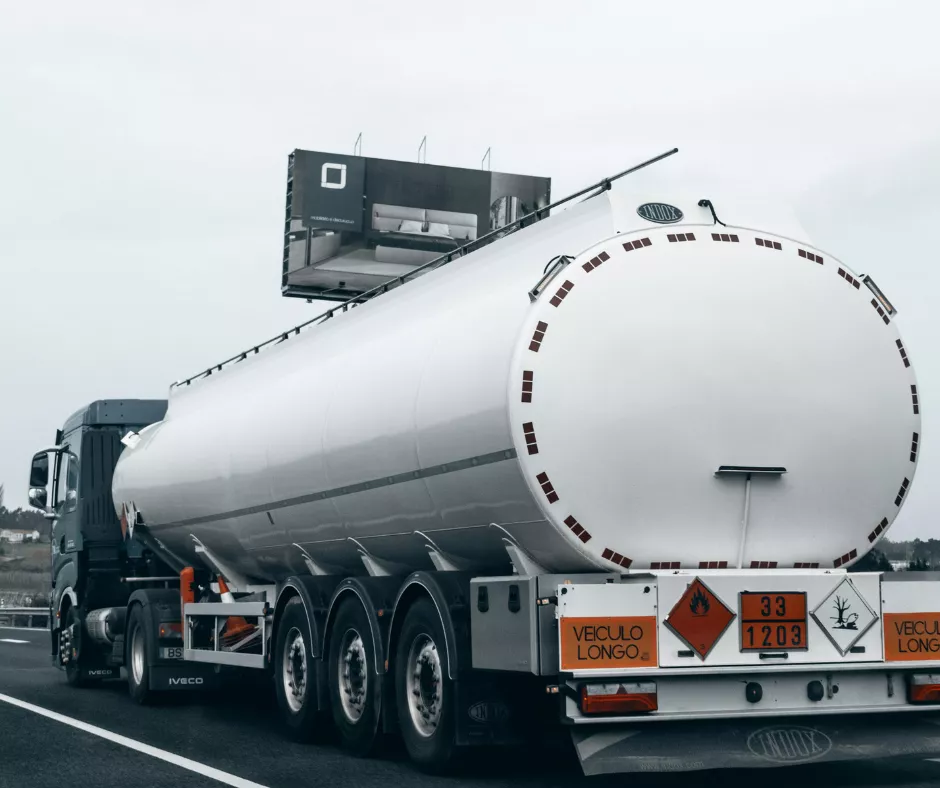
Fuel Supply Disruptions as Force Majeure: Commercial Court Case Law
Fuel shortages, drone strikes on refineries, industrial accidents, and sharp price swings rarely qualify as force majeure in fuel supply disputes, with commercial arbitration courts across recent rulings through 2026 relieving suppliers only in narrow cases such as sovereign transport prioritization while enforcing penalties, advance refunds, or full performance where fuel is treated as generic goods, contracts were signed amid known risks, or alternative sourcing remained possible. For international investors, commodity traders, and cross-border counterparties operating in or trading with Russia, fuel supply disputes also intersect with sanctions compliance, counter-sanctions measures, currency controls, cross-border payment channels, KYC/AML rules, and document legalization requirements. This guide reviews seven commercial court decisions and chamber guidance, compares judicial positions, outlines a five-step response sequence and contract drafting safeguards, and answers key questions.

Extreme Weather as Force Majeure in Supply and Construction Contracts: Case Law
Extreme weather events—including severe storms, deep frosts, droughts, floods, and hurricanes—do not automatically excuse late delivery, works delays, or cargo damage in commercial arbitration disputes, where courts require simultaneous proof of extraordinariness and unavoidability backed by official meteorological records and active mitigation. Across commercial arbitration rulings, courts distinguish rare climatic anomalies from routine seasonal fluctuations that suppliers and contractors are expected to factor into schedules, engineering plans, and pricing, while international counterparties operating in or trading with Russia must also account for sanctions compliance, currency controls, cross-border payment channels, and document legalization rules. This guide reviews seven commercial court decisions, compares judicial positions across weather scenarios, sets out a five-step response sequence, and answers key questions.

Sanctions as Force Majeure in Supply Contracts: Commercial Court Case Law
Sanctions and export restrictions do not automatically excuse missed deliveries in supply contracts, with commercial arbitration courts and antitrust authorities across recent rulings between 2022 and 2026 relieving suppliers only where post-contract bans caused objective impossibility backed by direct proof and documented mitigation, while enforcing penalties and procurement blacklisting where contracts were signed amid known restrictions or where causation and alternative sourcing went unproven. For foreign investors, international manufacturers, and cross-border counterparties trading with or operating in Russia, sanctions disputes also intersect with counter-sanctions measures, currency controls, cross-border payment channels, KYC/AML compliance, and document legalization rules. This guide analyzes six commercial court and antitrust cases, compares judicial outcomes, sets out a five-step supplier response sequence, and answers key questions.

Drone Strikes as Force Majeure in Supply Contracts: Commercial Court Case Law
Drone strikes on production sites and logistics hubs do not automatically qualify as force majeure in supply disputes, with commercial arbitration courts and antitrust authorities across recent rulings between 2024 and 2026 relieving suppliers where post-contract events caused direct physical or transport impossibility backed by official records and good-faith mitigation, while imposing penalties and blacklisting where contracts were signed amid known risks or causation and alternative sourcing went unproven. For foreign investors, international suppliers, and cross-border counterparties trading with or operating in Russia, disputes involving drone strikes and transport blockages also intersect with sanctions compliance, currency controls, cross-border payment channels, and document legalization requirements. This guide examines five commercial court decisions, compares judicial outcomes, outlines a five-step supplier response sequence, and answers key questions.

How Courts Evaluate Force Majeure for Suppliers: Case Law Review for 2024–2026
Evaluating force majeure in supply disputes requires examining contract timing, causal proof, and supplier conduct rather than relying on general claims of external disruption—where commercial arbitration courts and antitrust authorities across recent rulings between 2024 and 2026 routinely reject bare references to market turmoil while excusing delays where extraordinary, post-contract events are backed by official records and active mitigation. For international investors, foreign manufacturers, and cross-border counterparties operating in or trading with Russia, disputes over hostilities, sanctions regimes, and extreme weather also intersect with counter-sanctions rules, currency controls, payment channels, and compliance checks. This review examines commercial court decisions across three core risk categories, compares outcomes, and answers key questions.
Fuel Supply Disruptions as Force Majeure: Commercial Court Case Law
Fuel shortages, drone strikes on refineries, industrial accidents, and sharp price swings rarely qualify as force majeure in fuel supply disputes, with commercial arbitration courts across recent rulings through 2026 relieving suppliers only in narrow cases such as sovereign transport prioritization while enforcing penalties, advance refunds, or full performance where fuel is treated as generic goods, contracts were signed amid known risks, or alternative sourcing remained possible. For international investors, commodity traders, and cross-border counterparties operating in or trading with Russia, fuel supply disputes also intersect with sanctions compliance, counter-sanctions measures, currency controls, cross-border payment channels, KYC/AML rules, and document legalization requirements. This guide reviews seven commercial court decisions and chamber guidance, compares judicial positions, outlines a five-step response sequence and contract drafting safeguards, and answers key questions.
Extreme Weather as Force Majeure in Supply and Construction Contracts: Case Law
Extreme weather events—including severe storms, deep frosts, droughts, floods, and hurricanes—do not automatically excuse late delivery, works delays, or cargo damage in commercial arbitration disputes, where courts require simultaneous proof of extraordinariness and unavoidability backed by official meteorological records and active mitigation. Across commercial arbitration rulings, courts distinguish rare climatic anomalies from routine seasonal fluctuations that suppliers and contractors are expected to factor into schedules, engineering plans, and pricing, while international counterparties operating in or trading with Russia must also account for sanctions compliance, currency controls, cross-border payment channels, and document legalization rules. This guide reviews seven commercial court decisions, compares judicial positions across weather scenarios, sets out a five-step response sequence, and answers key questions.
Sanctions as Force Majeure in Supply Contracts: Commercial Court Case Law
Sanctions and export restrictions do not automatically excuse missed deliveries in supply contracts, with commercial arbitration courts and antitrust authorities across recent rulings between 2022 and 2026 relieving suppliers only where post-contract bans caused objective impossibility backed by direct proof and documented mitigation, while enforcing penalties and procurement blacklisting where contracts were signed amid known restrictions or where causation and alternative sourcing went unproven. For foreign investors, international manufacturers, and cross-border counterparties trading with or operating in Russia, sanctions disputes also intersect with counter-sanctions measures, currency controls, cross-border payment channels, KYC/AML compliance, and document legalization rules. This guide analyzes six commercial court and antitrust cases, compares judicial outcomes, sets out a five-step supplier response sequence, and answers key questions.
Drone Strikes as Force Majeure in Supply Contracts: Commercial Court Case Law
Drone strikes on production sites and logistics hubs do not automatically qualify as force majeure in supply disputes, with commercial arbitration courts and antitrust authorities across recent rulings between 2024 and 2026 relieving suppliers where post-contract events caused direct physical or transport impossibility backed by official records and good-faith mitigation, while imposing penalties and blacklisting where contracts were signed amid known risks or causation and alternative sourcing went unproven. For foreign investors, international suppliers, and cross-border counterparties trading with or operating in Russia, disputes involving drone strikes and transport blockages also intersect with sanctions compliance, currency controls, cross-border payment channels, and document legalization requirements. This guide examines five commercial court decisions, compares judicial outcomes, outlines a five-step supplier response sequence, and answers key questions.
How Courts Evaluate Force Majeure for Suppliers: Case Law Review for 2024–2026
Evaluating force majeure in supply disputes requires examining contract timing, causal proof, and supplier conduct rather than relying on general claims of external disruption—where commercial arbitration courts and antitrust authorities across recent rulings between 2024 and 2026 routinely reject bare references to market turmoil while excusing delays where extraordinary, post-contract events are backed by official records and active mitigation. For international investors, foreign manufacturers, and cross-border counterparties operating in or trading with Russia, disputes over hostilities, sanctions regimes, and extreme weather also intersect with counter-sanctions rules, currency controls, payment channels, and compliance checks. This review examines commercial court decisions across three core risk categories, compares outcomes, and answers key questions.
FAQ
Can we sign a legal services agreement?
Yes, we ensure transparency in our partnerships by outlining all terms, responsibilities, and expected outcomes in a formal contract.
Can I get a consultation, and how much does it cost?
We offer a free initial consultation to help you understand your situation, assess your options and determine what services you need. Our lawyers will analyse your case and suggest the best way to achieve the desired outcome.
If you decide to continue working with us, the cost of the consultation will be included in the total price of the service. We are committed to providing quality legal assistance focused on your needs and guarantee transparency in pricing.
How do long-running sanctions and preventative contract clauses affect fuel supply risk?
Courts treat long-standing sanctions as foreseeable factors that suppliers and producers must account for in equipment, input, and supply planning rather than sudden shocks, whereas carefully drafted supply contracts can reduce dispute risk by specifying the exact refinery or dispatch point, listing sector-specific risks such as drone strikes and rail restrictions, setting clear notice rules, and allowing penalty-free termination after prolonged disruptions.
When do commercial courts recognize force majeure for fuel transport delays?
Courts primarily recognize force majeure for transport delays where direct state measures create objective impossibility—such as forced rail capacity allocation prioritizing military trains for defense needs, counter-terrorist operation regimes, or martial law—backed by proof that alternatives were unavailable, mitigation was pursued, notice was timely, and official and chamber records support the claim.
How do courts treat fuel card or voucher deliveries when fuel is unavailable at filling stations?
Transferring fuel cards, smart cards, or paper vouchers does not count as delivering fuel if no fuel is physically available at filling stations, because cards and vouchers are only access tools; if the buyer cannot refuel due to lack of fuel at stations, courts treat delivery as unfulfilled and order return of unapplied advances plus applicable penalties.
Can a fuel trader or distributor blame drone strikes or refinery accidents for delayed deliveries?
Courts generally reject force majeure where a trader or distributor does not own the affected plant and the contract does not designate that specific refinery as the sole supply source, because fuel is generic and the supplier is expected to seek substitute volumes from other producers or exchanges, while chamber guidance also bars certificates for trading companies based on third-party refinery incidents.
Are wholesale fuel price spikes or commodity exchange price jumps treated as force majeure when performance becomes unprofitable?
No, adverse pricing, higher wholesale fuel prices, and exchange price swings are generally treated as ordinary commercial risk rather than force majeure, meaning higher procurement costs or unprofitability alone do not excuse delivery obligations.
Is a chamber of commerce force-majeure certificate or assessment enough to avoid penalties for late fuel delivery?
No, a chamber of commerce certificate or assessment does not automatically exempt a supplier from penalties because courts evaluate it alongside all other case evidence, and where a supplier continues selling similar fuel to other buyers during a claimed shortage, courts can reject the chamber document and award full penalties.
How do courts evaluate extreme cold or heat that causes equipment breakdowns?
Mechanical failures such as hydraulic faults, fuel gelling, or overheating are generally treated as internal equipment risk unless the contractor shows that temperatures on specific dates exceeded equipment operating limits—such as below minus 40 degrees Celsius or above plus 45 degrees Celsius—departed sharply from regional seasonal norms under hydrometeorological records, and occurred despite strict adherence to maintenance schedules and manufacturer cold- or heat-protection measures.
Does a chamber of commerce force-majeure certificate prevent a court or antitrust dispute?
A chamber of commerce assessment or certificate is major written evidence rather than binding proof that forecloses court review, as a buyer may challenge it and courts weigh it alongside contract terms, timely notice, and mitigation efforts, though it strongly supports good faith before antitrust authorities reviewing procurement blacklisting.
What should a contractor do if the buyer refuses to sign an extension addendum after severe weather?
If a buyer ignores a force-majeure notice or refuses a schedule extension, the contractor should record dispatch of the full evidentiary file—including notice, hydrometeorological records, and chamber documentation—issue a formal notice of forced work suspension where weather threatens structural safety or quality under applicable civil rules, and present the evidence before the court or antitrust authority if penalties, termination, or blacklisting are pursued.
Does a weather-related force-majeure event relieve a party from paying principal debt or goods already delivered?
No, force majeure relieves a debtor from late-performance penalties, fines, and delay damages, but does not extinguish a buyer's obligation to pay for goods already delivered and accepted or works completed; if a catastrophe makes contract performance permanently impossible—such as total destruction of goods before transfer—the obligation ends for impossibility of performance and unearned advance payments must be refunded as unjust enrichment.
Can a highway closure from snowdrifts or flooding qualify as force majeure for a delayed shipment?
Yes, temporary road closures or traffic restrictions caused by landslides, floods, severe ice, or heavy snowdrifts can qualify where performance depended on a specific overland route and the party presents official road-authority, traffic-police, or regional-authority closure orders, evidence of no safe or suitable heavy-vehicle detours, and satellite or navigation monitoring showing the vehicle in the affected zone or closure.
Client Reviews
All reviews
Contact us
Leave a request and our lawyers will contact you shortly to provide a consultation on your issue.